📞  — free, 24/7
— free, 24/7 — free, 24/7| Dosage | Package | Price per Dose | Price | |
|---|---|---|---|---|
| 10mg | 360 pills | NZ$1.59 | NZ$714.61 NZ$571.69 Best Price | |
| 10mg | 180 pills | NZ$1.73 | NZ$388.43 NZ$310.74 | |
| 10mg | 120 pills | NZ$1.90 | NZ$284.64 NZ$227.71 | |
| 10mg | 90 pills | NZ$2.04 | NZ$228.30 NZ$182.64 | |
| 10mg | 60 pills | NZ$2.28 | NZ$171.96 NZ$137.57 | |
| 10mg | 30 pills | NZ$2.70 | NZ$100.79 NZ$80.63 | |
| 20mg | 360 pills | NZ$3.18 | NZ$1,429.25 NZ$1,143.40 Popular | |
| 20mg | 180 pills | NZ$3.42 | NZ$767.98 NZ$614.39 | |
| 20mg | 120 pills | NZ$3.75 | NZ$563.38 NZ$450.70 | |
| 20mg | 90 pills | NZ$3.99 | NZ$447.73 NZ$358.19 | |
| 20mg | 60 pills | NZ$4.15 | NZ$311.33 NZ$249.06 | |
| 20mg | 30 pills | NZ$4.44 | NZ$166.03 NZ$132.82 | |
| 20mg | 10 pills | NZ$4.96 | NZ$62.24 NZ$49.79 |
This information is for general guidance and is not a substitute for medical advice. If you have questions about aciphex (rabeprazole), consult a healthcare professional in New Zealand.
Many people experience heartburn, a sour taste in the mouth, chest discomfort, or trouble swallowing on a regular basis. These symptoms often happen after meals or at night and can interfere with sleep, work, and daily activities. When these symptoms persist, a healthcare professional may suggest a medication that reduces stomach acid to help symptoms improve and promote healing of the digestive tract lining.
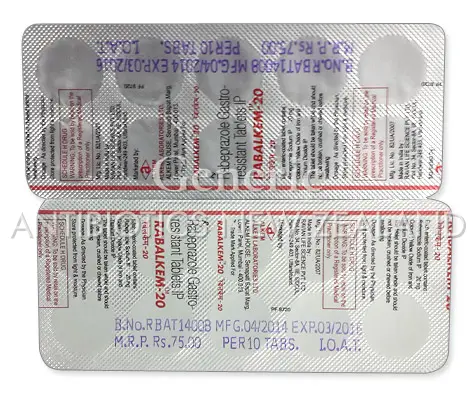
Aciphex is the brand name for rabeprazole, a type of medicine called a proton pump inhibitor, or PPI. The active ingredient in aciphex is rabeprazole, which works by lowering the amount of acid your stomach makes. This change in acidity helps relieve heartburn and other acid-related symptoms and supports the healing of irritated or inflamed areas of the esophagus or stomach lining.
As a PPI, aciphex belongs to a common class used to treat conditions driven by excess stomach acid. In New Zealand, aciphex may be prescribed by a clinician for adults and, in some cases, for specific situations in younger people when appropriate. The aim is to reduce acid exposure, allow damaged tissue to heal, and decrease the chance that symptoms return when normal eating resumes.
Aciphex is intended as part of a broader treatment plan that may include lifestyle changes and, in some cases, other medications. Your clinician will consider your symptoms, medical history, and other medicines when deciding whether aciphex is the right option for you. If you have questions about whether aciphex is suitable for you, ask your pharmacist or doctor to review your health needs and preferences.
Aciphex is used to treat several acid-related conditions where reducing stomach acid can help manage symptoms or promote healing. It’s important to use the medicine as directed by a clinician and to understand that improvement may take time as tissue heals.
Common conditions treated with aciphex include reflux-related symptoms that affect daily life, such as frequent heartburn and regurgitation, especially when these symptoms occur after meals or at night. It is also used to heal erosive esophagitis, a condition where the lining of the esophagus is damaged by stomach acid.
Other approved uses include the treatment and prevention of ulcers of the stomach and the upper part of the small intestine (duodenum), sometimes in combination with antibiotics when an infection with Helicobacter pylori is present. In some cases, aciphex is used to manage symptoms from acid-related disorders when these conditions are linked to stress or other triggers. A clinician will determine whether aciphex is appropriate for your specific situation.
The following conditions are examples often considered in the context of acid suppression, and a healthcare professional may discuss them with you if relevant to your case. If you are uncertain about whether a given condition qualifies for treatment with aciphex, check the official patient information leaflet and speak with your doctor or pharmacist.
Rabeprazole, the active ingredient in aciphex, targets a specific enzyme system in the stomach lining called the proton pump. This enzyme is the final step in the production of stomach acid, so inhibiting it reduces the amount of acid released into the stomach. This mechanism helps decrease irritation and symptoms caused by excess acid.
Because the action of the proton pumps is ongoing as new pumps are formed, the acid-suppressing effect tends to accumulate with continued use. The medicine does not provide immediate relief in every case, and some people notice gradual improvement over several days as damaged tissue begins to heal and normal function returns. The long-acting nature of the drug helps maintain lower acid levels for a sustained period.
On a practical level, lowering acid in the stomach can lessen heartburn after meals, reduce nighttime symptoms, and help ulcers and inflamed tissues heal. The exact timeline for symptom relief varies between individuals, depending on the condition being treated and how the body responds to therapy. Your health professional will monitor your progress and adjust treatment if needed.
It is important to understand that aciphex does not cure all conditions by itself. For some disorders, additional treatments or lifestyle changes are recommended to achieve the best outcome. If symptoms persist or worsen despite taking aciphex, seek medical advice to re-evaluate the diagnosis and the plan of care.
When aciphex is prescribed, your clinician will provide instructions tailored to your needs. In general terms, aciphex is taken by mouth as a tablet, and the timing usually aims to reduce acid production during the day. The exact dose and duration should come from your clinician and may depend on your diagnosis and response to therapy.
Most people take aciphex once daily, and many schedules recommend taking it before a meal to help maximize its effect as the stomach prepares to produce acid after eating. Swallow the tablet whole with a glass of water; do not crush or chew the tablet unless a pharmacist or clinician has advised that this is acceptable for your situation. If you have difficulty swallowing, discuss alternative forms or strategies with your pharmacist.
If you forget a dose, take it as soon as you remember unless it is nearly time for your next dose. Do not double up to make up for a missed dose. Continuing treatment as prescribed is important for the best chance of symptom relief and healing, but you should speak with your clinician if you have missed multiple doses or have ongoing concerns about your regimen.
In most cases, the complete course is planned by your healthcare provider, and stopping the medicine early without medical guidance is not advised. If you have questions about the duration of treatment or how to fit aciphex into your daily routine, a pharmacist can help you plan around meals, work, and other daily activities. If your symptoms do not improve within the expected timeframe, contact your clinician for review.
A contraindication is a situation in which the medicine should not be used because the risk of harm is greater than the potential benefit. The most important contraindication for aciphex relates to a known allergy to rabeprazole or to any inactive ingredients in the product. If you have ever had an allergic reaction to a proton pump inhibitor in the past, inform your clinician before starting aciphex.
If you have a history of porphyria, a rare blood disorder, you should discuss this with your clinician, as certain rare enzyme conditions could influence how the medicine is processed in your body. In addition, severe liver impairment may require special consideration and monitoring by your clinician. Always tell your healthcare provider about any liver problems you have had, as this can influence treatment decisions.
Pregnancy and breastfeeding are areas where careful assessment is needed. The safety of aciphex during pregnancy and while breastfeeding has not been established in all cases, so these situations should be discussed with a clinician who can weigh potential benefits against possible risks. If you are planning pregnancy, currently pregnant, or breastfeeding, talk to your doctor or pharmacist before starting or continuing aciphex.
Finally, it is important to consider concurrent medical conditions that might alter the safety profile of aciphex. For example, kidney issues, magnesium deficiency, or certain infections may require closer monitoring. If you have any of these conditions, discuss with your clinician whether aciphex is appropriate for you.
Long-term suppression of stomach acid can be associated with certain risks, so your clinician will consider the balance between benefits and potential harms. Prolonged use has been studied for effects on minerals and gut flora, and your doctor may monitor for signs of nutrient deficiencies or infections that can occur with extended therapy.
Some people may experience interactions with other medicines used to treat cardiovascular disease, infections, or immune-related conditions. Clopidogrel and certain other drugs have been discussed in relation to proton pump inhibitors, and your clinician may adjust treatment plans if you take these medicines. Inform your healthcare team about all medications, supplements, and herbal products you use to reduce the risk of interactions.
If you develop severe abdominal pain, persistent vomiting, signs of an allergic reaction, or any unusual or new symptoms, seek medical help promptly. Seek urgent medical help if you notice severe skin reactions, swelling, or breathing difficulties. If you have ongoing severe diarrhea or fever while taking aciphex, contact your clinician for assessment.
People with significant kidney disease, substantial electrolyte imbalances, or a history of bone fractures may require special monitoring during aciphex therapy. In such cases, your clinician may evaluate risk factors and plan a approach that minimizes potential harm while addressing symptoms. Regular follow-up appointments are important to ensure safety and effectiveness over time.
Most people tolerate aciphex well, and when side effects occur they are usually mild and temporary. Common reactions often involve the gastrointestinal system or headaches and tend to improve as the body adjusts to the treatment and symptoms improve with healing.
Some individuals may notice a change in taste, dry mouth, or skin rashes. In rare cases, more serious side effects may occur, which require medical attention. If you experience persistent or worsening symptoms, seek medical advice promptly, and do not ignore persistent concerns.
Long-term use of aciphex may be associated with lower levels of certain nutrients and an increased risk of specific infections in the gut. If you are on prolonged therapy, your clinician may recommend periodic testing or supplementation to support your overall health. Always report any new or unusual symptoms to your healthcare provider.
Rabeprazole can interact with other medicines by altering stomach acidity, affecting absorption, or influencing how drugs are processed in the body. It is important to tell your clinician about all prescription medicines, over-the-counter products, and herbal supplements you use to avoid potential interactions.
Among possible interactions, certain antiplatelet or anticoagulant medicines, some antifungal or antiviral therapies, and drugs requiring stomach acidity for proper absorption may need timing adjustments or monitoring. Do not start, stop, or change the dose of any other medicine without discussing it with your clinician or pharmacist.
Alcohol consumption and caffeine intake may influence gastroesophageal symptoms for some people, though aciphex itself does not require a strict avoidance of these substances. If you notice changes in how you feel after consuming certain foods or drinks, discuss these observations with a pharmacist in case you need to adjust timing or dosing.
If you are taking any medicines produced by another company or used for a different medical condition, your clinician can provide personalised guidance about potential interactions and how to manage them safely. Always keep a current list of your medicines and carry it to healthcare visits so you and your clinician can review interactions together.
Pregnancy safety with aciphex should be assessed on an individual basis. If you are pregnant or planning to become pregnant, discuss the potential benefits and risks with your obstetrician or midwife before starting or continuing aciphex. The clinician will consider how the condition being treated could affect both mother and baby when deciding on therapy.
Breastfeeding is another scenario that requires careful consideration. It is not known with certainty how much rabeprazole passes into breast milk, so breastfeeding decisions should be made in collaboration with a healthcare professional who can balance potential benefits to the mother with any possible risks to the infant.
In general, if a clinician determines that aciphex is necessary during pregnancy or breastfeeding, they will provide the lowest effective dose for the shortest possible duration and monitor the mother and child closely. If you become pregnant while taking aciphex, contact your clinician promptly to discuss next steps and alternatives if appropriate.
Should you become pregnant or plan pregnancy while taking this medicine, do not stop treatment abruptly without medical advice. Abrupt discontinuation can lead to symptom recurrence or worsened conditions, and your clinician can guide you through a safe plan that maintains health for both mother and baby.
Many people notice improvement in symptoms after several days of regular use, while others may require a longer period for full relief. Because healing of damaged tissue takes time, patience and adherence to the prescribed plan are important. If symptoms persist beyond your expected timeframe, contact your clinician for guidance.
If you miss a dose, take it as soon as you remember unless it is near the time for your next dose. Do not double the dose to make up for a missed one. If you frequently forget doses, set a reminder or talk to your pharmacist about strategies to help you stay on track.
Aciphex is typically taken before a meal to help reduce acid production as digestion begins, though your clinician may tailor this based on your needs. If you are unsure about the best timing for you, check the patient information leaflet or ask your pharmacist for personalised advice.
The duration of treatment depends on the condition being treated and the individual response. Some people use it for a few weeks, while others may need longer courses under supervision. Your clinician will reassess periodically to determine whether continued therapy is appropriate.
Stopping abruptly after long-term use can lead to a return of symptoms in some people. If you need to discontinue, discuss a plan with your clinician. They may suggest a gradual reduction or an alternative strategy to maintain symptom control while minimizing rebound effects.
Moderate alcohol intake is not universally prohibited with aciphex, but alcohol can irritate the esophagus and stomach in some individuals and may worsen symptoms. If you notice that alcohol worsens your symptoms, limit intake or avoid it during treatment and discuss with your clinician.
Long-term use of proton pump inhibitors has been studied, and clinicians weigh benefits against potential risks on an individual basis. If you require extended therapy, your clinician is likely to monitor bone health, magnesium levels, and gut infections, and may adjust the plan if necessary.
Always tell your clinician about all medicines you take, including over-the-counter products and herbal supplements. Some medicines may require timing changes or monitoring to prevent interactions, so professional guidance is important before adding or stopping therapies.
Persistent symptoms warrant a medical review to check for alternative diagnoses, additional treatment needs, or possible dosing adjustments. Do not assume aciphex will work for every symptom; a clinician can re-evaluate your situation and provide a tailored plan.
Contact a healthcare professional if you experience signs of an allergic reaction, severe abdominal pain, persistent vomiting, fever with diarrhea, or any new symptoms that worry you. If symptoms are severe or you feel you may be experiencing a serious reaction, seek urgent medical help promptly.
Safety in pregnancy varies by case, and decision-making should be done with a clinician who can balance maternal benefits and potential fetal risks. If you discover you are pregnant while taking aciphex, notify your clinician to determine the safest course of action for both you and the baby.
The official patient information leaflet that accompanies aciphex provides detailed guidance on dosing, administration, possible side effects, interactions, and storage. This leaflet is an essential companion to understanding how to use the medicine safely and effectively.
Your pharmacist is a valuable resource for practical questions about how to take aciphex, potential interactions with other medicines, and what to do if you miss a dose. They can tailor information to your specific medications, health conditions, and lifestyle.
For additional information, ask your clinician about recommended resources available in New Zealand, including reputable patient education materials and trusted clinical guidelines. If you have ongoing questions or concerns, consider requesting a review appointment to discuss your plan and ensure it remains appropriate for your health needs.
Always check the official leaflets and speak with a healthcare professional if you are ever unsure about the suitability of aciphex for your situation. This approach helps ensure that your treatment aligns with best practice and local guidance, while addressing your symptoms and healing goals. New Zealand healthcare providers are there to support you with personalised advice and safe, evidence-based care.
14–21 days. Free from NZ$341.82 .
5–9 days. NZ$51.27
−10% when paying with cryptocurrency.
−10% on all repeat orders.
All orders are packed in neutral, unbranded boxes with no product name on the outside.