📞  — free, 24/7
— free, 24/7 — free, 24/7Medications and support products for managing Parkinson's disease, including dopaminergic therapies (levodopa/carbidopa), dopamine agonists, MAO-B inhibitors, COMT inhibitors, adjunctive agents, and formulations such as tablets, patches, and inhaled options for control of motor and some non-motor symptoms.
Medications and support products for managing Parkinson's disease, including dopaminergic therapies (levodopa/carbidopa), dopamine agonists, MAO-B inhibitors, COMT inhibitors, adjunctive agents, and formulations such as tablets, patches, and inhaled options for control of motor and some non-motor symptoms.
Medications categorized under Parkinson's disease are pharmaceutical treatments commonly prescribed to manage the motor and some non-motor symptoms associated with Parkinsonism. They are intended to help improve movement, reduce tremor, ease muscle stiffness and slow movements, and address fluctuations that can develop as the condition progresses. These products are typically part of an overall care plan that may include lifestyle strategies and allied-health support, and are supplied in a range of oral formulations designed for different patterns of symptom control.
People use these medicines for several common scenarios: to reduce everyday symptoms such as tremor, slowness and rigidity; to lengthen the time between doses when medication effect wears off; and to manage complications that can arise after long-term therapy, such as involuntary movements. Some treatments are favored in early stages when symptom burden is lighter, while others are more often added later to control motor fluctuations or to smooth out peaks and troughs in symptom control. Choice and timing depend on individual symptoms and how they change over time.
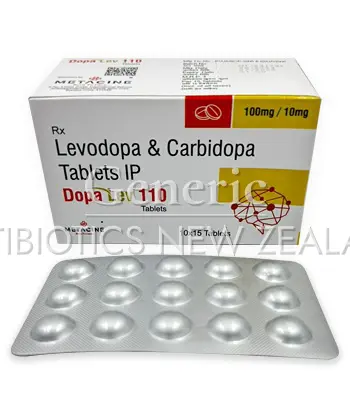
The category contains several pharmacological types. Levodopa-based preparations are the most widely used and include combinations with decarboxylase inhibitors; examples you may see are sinemet and sinemet cr, which differ by release profile, and combination formulations like stalevo that add a catechol-O-methyltransferase (COMT) inhibitor to extend levodopa’s effect. Dopamine agonists such as mirapex, requip and parlodel act on dopamine receptors and are often used either alone or alongside levodopa. Monoamine oxidase B (MAO-B) inhibitors like eldepryl offer another option by slowing the breakdown of dopamine. Anticholinergic agents such as artane and kemadrin are available for tremor-predominant symptoms in some patients, and amantadine (symmetrel) can be used for certain movement complications and has distinct antiviral origins.
How these medicines are used in practice varies. Immediate‑release tablets provide fairly rapid symptom relief and are common for titration and daytime dosing, while controlled‑release or extended‑release formulations are designed to provide more sustained blood levels over several hours. Some products are prescribed as monotherapy early on; others are added to existing regimens to address motor fluctuations or to reduce side effects caused by high levodopa doses. Timing relative to meals, splitting of doses during the day, and the use of combination products are all practical considerations that influence how a therapy is taken.
General safety considerations relate to both expected side effects and interactions with other medicines and medical conditions. Common adverse effects reported across different agents include nausea, lightheadedness or low blood pressure, sleepiness, and mood or behavioral changes; anticholinergic drugs can cause dry mouth, blurred vision or cognitive effects in older adults. Some dopamine agonists have been associated with impulse control changes in a subset of people, and MAO-B inhibitors have specific interaction profiles to be aware of. The need for monitoring and periodic review of response and tolerability is a typical part of ongoing medication management.
When selecting or comparing treatments, users often focus on how well a drug relieves their most troublesome symptoms, how long its effect lasts, and its side effect profile. Practical factors such as dosing frequency, whether a controlled‑release option is available, ease of swallowing, and whether a combination product can reduce pill burden are also important. Accessibility of generic formulations, known tolerability in people of a similar age or with similar health issues, and guidance from a prescribing clinician or pharmacist commonly shape choices in everyday use.