📞  — free, 24/7
— free, 24/7 — free, 24/7Medications and remedies for migraine relief and prevention, including acute pain relievers, triptans, anti-nausea agents, preventive prescriptions, non-prescription analgesics, supplements, and supportive aids like cooling masks or migraine tools for managing symptoms and reducing attack frequency.
Medications and remedies for migraine relief and prevention, including acute pain relievers, triptans, anti-nausea agents, preventive prescriptions, non-prescription analgesics, supplements, and supportive aids like cooling masks or migraine tools for managing symptoms and reducing attack frequency.
The Migraine category covers medicines used to treat migraine, a neurological condition characterized by recurrent attacks of moderate to severe headache often accompanied by nausea, vomiting, light or sound sensitivity and other symptoms. Medicines in this section address both the acute symptoms that occur during an attack and longer‑term preventive approaches designed to reduce how often and how severely attacks occur. The selection spans over‑the‑counter pain relievers through prescription therapies that target specific migraine pathways.
Acute treatment is aimed at stopping or easing an individual migraine episode, while preventive therapy is intended to lower attack frequency and intensity over weeks to months. Some people use short‑term medicines for breakthrough attacks even while on preventive therapy, and others rely primarily on fast‑acting options for occasional episodes. The range of available options reflects differences in symptom patterns, attack severity and personal preferences about route of administration and onset of action.
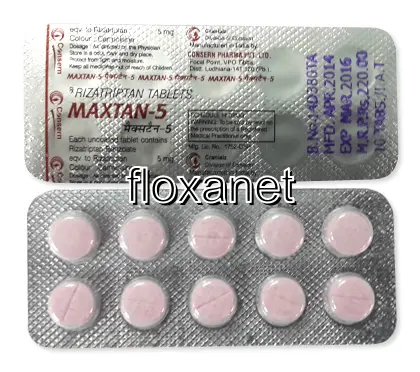
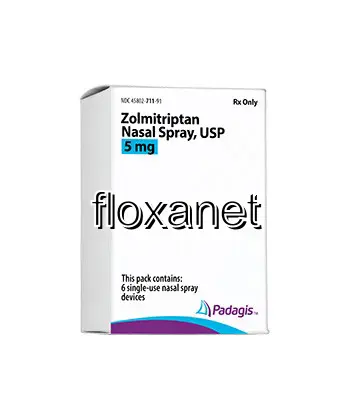
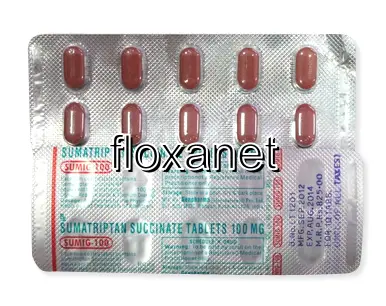
Medication types represented here include common pain relievers such as paracetamol (acetaminophen) and non‑steroidal anti‑inflammatory drugs (NSAIDs) like ibuprofen and naproxen; prescription triptan drugs such as sumatriptan, rizatriptan, zolmitriptan and eletriptan that target serotonin receptors; ergot derivatives including dihydroergotamine and ergotamine; antiemetics such as metoclopramide and prochlorperazine used when nausea is present; the newer selective acute agents like lasmiditan (a ditan) and gepants such as rimegepant and ubrogepant; and preventive classes including beta‑blockers (propranolol, metoprolol), antiepileptic agents (topiramate, valproate), certain antidepressants (amitriptyline), and monoclonal antibodies that target the calcitonin gene‑related peptide (CGRP) pathway (for example erenumab, fremanezumab, galcanezumab and eptinezumab).
Formulations vary to suit different needs: oral tablets and capsules are common, while nasal sprays and subcutaneous or intravenous options may be used when rapid absorption is needed or when vomiting prevents oral intake. Preventive medicines are typically taken daily or administered by periodic injection or infusion, whereas acute agents are taken as needed at the onset of an attack. Onset of relief, duration of action and route of administration are key differences between individual medicines and influence how they are used in practice.
Safety considerations are an important part of this category. Many prescription migraine medicines have specific side effect profiles and contraindications; some acute agents can cause side effects such as dizziness, drowsiness, or gastrointestinal upset, and certain classes are associated with vascular or cardiovascular effects. Frequent use of acute‑relief medications may be linked to an increased risk of medication‑overuse headache. Pregnancy, breastfeeding and coexisting health conditions affect which options are suitable, and some therapies require diagnostic or monitoring considerations prior to use.
When selecting a medicine from this group, users commonly consider how quickly the product works, the route and convenience of administration, likely side effects, how long relief lasts, whether a product is available over‑the‑counter or requires a prescription, and how a medicine fits with other ongoing treatments or health conditions. Insurance coverage, approved indications for age groups, and emerging options such as CGRP‑targeted treatments and oral gepants are also factors that influence choice for those seeking to manage migraine symptomatically or preventively.