📞  — free, 24/7
— free, 24/7 — free, 24/7| Dosage | Package | Price per Dose | Price | |
|---|---|---|---|---|
| 50mg | 120 pills | NZ$7.79 | NZ$1,247.20 NZ$935.40 Best Price | |
| 50mg | 88 pills | NZ$8.30 | NZ$972.81 NZ$729.61 | |
| 50mg | 60 pills | NZ$8.37 | NZ$670.36 NZ$502.77 | |
| 50mg | 36 pills | NZ$8.63 | NZ$414.67 NZ$311.00 | |
| 50mg | 24 pills | NZ$9.05 | NZ$289.95 NZ$217.46 | |
| 50mg | 12 pills | NZ$10.92 | NZ$174.58 NZ$130.94 | |
| 100mg | 120 pills | NZ$13.24 | NZ$2,117.14 NZ$1,587.86 Popular | |
| 100mg | 88 pills | NZ$13.40 | NZ$1,571.48 NZ$1,178.61 | |
| 100mg | 60 pills | NZ$14.31 | NZ$1,144.30 NZ$858.23 | |
| 100mg | 36 pills | NZ$15.20 | NZ$729.60 NZ$547.20 | |
| 100mg | 24 pills | NZ$16.07 | NZ$514.45 NZ$385.84 | |
| 100mg | 12 pills | NZ$16.95 | NZ$271.24 NZ$203.43 | |
| 200mg | 60 pills | NZ$14.45 | NZ$1,156.78 NZ$867.58 | |
| 200mg | 36 pills | NZ$15.01 | NZ$720.24 NZ$540.18 | |
| 200mg | 24 pills | NZ$17.14 | NZ$548.75 NZ$411.56 | |
| 200mg | 12 pills | NZ$18.12 | NZ$289.95 NZ$217.46 |
Important: This page provides general information about Avana. It does not replace medical advice from a doctor or pharmacist. If you have questions about your treatment, talk to your healthcare provider.
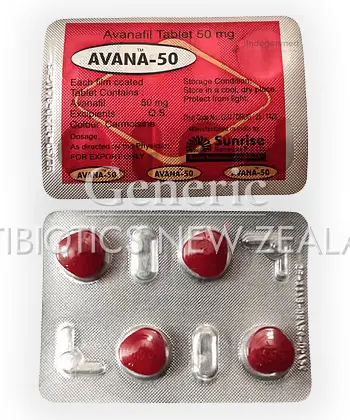
Avana is a medicine available in New Zealand that may come in different forms and strengths depending on the product you receive. The exact ingredients, how it looks, and how it is taken will depend on the specific Avana product your clinician has prescribed or recommended.
Medicines like Avana are regulated to ensure quality and safety. In New Zealand, the Pharmacist and your doctor will ensure the medicine is appropriate for your health needs, and you should follow the label and leaflet that come with your medicine. If you have any questions about the product you received, a pharmacist is a good person to ask.
Avana may require a prescription depending on local rules. Always check the information provided with your medicine and ask your pharmacist if you are unsure. Do not use Avana if you were told not to by a clinician, or if the packaging shows signs of tampering.
Avoid sharing your medicine with others, and store it as described on the label. If you have children in the home, keep Avana out of reach and out of sight where they cannot access it.
The exact use of Avana depends on the product and the patient. Your clinician will decide if Avana is suitable for you and what condition it should help manage. Avana may be used as part of a broader treatment plan that includes lifestyle advice and other medicines.
In general, Avana medicines are intended to relieve symptoms, help manage a condition over time, or prevent worsening when used as directed. Your doctor will consider your medical history, other medicines you take, and any potential interactions before starting Avana.
Because Avana products vary, it is important to rely on the information in the official leaflet and the advice from your pharmacist. If you ever feel the medicine isn’t helping or you notice new symptoms, contact your healthcare professional promptly for guidance.
Where appropriate, Avana may be used alongside other treatments. Do not change your treatment plan or stop taking any medicines without consulting your clinician, even if you feel well. Your clinician can adjust therapy if needed and monitor for safety and effectiveness.
Avana products contain an active ingredient that interacts with processes in the body to help achieve a therapeutic effect. The exact mechanism depends on the ingredient and the product form. Your clinician chose Avana based on a balance of benefits and potential risks for your health condition.
Because medicines work differently for different people, you may notice changes at different times. Some people feel an improvement within days, while for others it may take longer. Do not expect immediate results in every case, and continue to take the medicine as advised unless your clinician tells you to stop.
Avana is not a cure for all conditions, and it may not work for everyone. If your symptoms do not improve or you experience new symptoms, seek medical advice to review the treatment plan. Your pharmacist can help you understand how Avana fits with your overall care.
Life circumstances, other medicines, and health changes can influence how Avana works. Inform your clinician if you start or stop another medicine, change your diet, or develop any health issues while using Avana.
Follow the instructions provided with your specific Avana product and the advice of your doctor or pharmacist. Do not adjust the dose on your own unless instructed by a healthcare professional. If you have questions about dosing, check the official leaflet or speak with a pharmacist.
Take Avana exactly as directed. Some forms are taken by mouth with a full glass of water; others may be applied or used in a different way. Always swallow tablets or capsules whole unless the label says you may crush or open them. Do not change the way you take Avana without medical advice.
When to take Avana can depend on the product and your routine. Try to take it at the same time each day to help you remember. If your dose is taken with food or at a particular time, follow that guidance unless your clinician provides alternate instructions.
Missed a dose? If you miss one, do not double the next dose to catch up. Resume your usual schedule and contact a healthcare professional if you are unsure what to do. If you have missed multiple doses or are unsure about the timing, contact your pharmacist for guidance.
Storage and handling are important for maintaining Avana’s effectiveness. Keep medicines in their original packaging, protect from light and moisture as advised on the label, and store at a temperature recommended for the product. Do not use medicine that is past its expiry date, and dispose of unused portions safely as advised by your pharmacist.
Avana is not suitable for everyone. People with certain allergies or sensitivities to the active ingredient or any ingredient in the product should not use Avana. Always check the list of ingredients on the packaging or leaflet and discuss any allergies with your clinician.
If you have certain medical conditions, your clinician may decide Avana is not appropriate for you or may require additional monitoring. This can include problems with the heart, liver, or kidneys, among other conditions. Your clinician will weigh benefits against potential risks and may adjust the treatment plan accordingly.
Avoid using Avana if you are pregnant, planning pregnancy, or breastfeeding unless advised by a healthcare professional. Some Avana products may not be recommended during pregnancy or while breastfeeding because they could affect the developing baby or infant. Always consult your clinician before starting or continuing treatment in these situations.
Children and adolescents may require different dosing or formulations. The safety and effectiveness of Avana in younger people depend on the product. Your clinician will guide you on appropriate use if you are considering Avana for a child or teen, and you should follow their directions closely.
Before starting Avana, tell your clinician about all medicines you take, including over‑the‑counter drugs, supplements, and herbal products. Some substances can interact with Avana and change how it works or increase side effects. This information helps the clinician decide whether Avana is suitable for you.
Avoid drinking alcohol while taking Avana if your clinician has advised so. Alcohol can increase certain side effects or impair your ability to perform tasks that require alertness. If you have a history of substance use or sleep disorders, discuss this with your clinician before starting Avana.
Avana may cause drowsiness, dizziness, or impaired concentration in some people. If you experience these effects, avoid driving or operating heavy machinery until you know how the medicine affects you. If symptoms persist or worsen, seek medical advice promptly.
Seek urgent medical help if you notice signs of a severe allergic reaction, such as swelling of the face or throat, severe rash, or trouble breathing. Some side effects can be serious and require immediate care; contact a clinician or emergency services if you have concerns about your symptoms.
Most people tolerate Avana well, but some may experience side effects. Common issues can include stomach upset, headache, or fatigue. These effects are often mild and tend to improve as your body adjusts to the medicine.
If you notice skin rashes, swelling, or itchy eyes, or if you develop a fever or joint pain, tell your clinician as soon as possible. These could be signs of an allergic reaction or another issue requiring evaluation.
Some people may experience changes in mood, sleep, or appetite. If mood changes are concerning or persistent, discuss them with your healthcare team. In rare cases, Avana can affect heart rhythm or blood pressure; contact a clinician promptly if you have unusual chest pain, fainting, or severe dizziness.
Keep a record of any side effects you experience, including when they started and how long they last. This information can help your clinician determine the best course of action, including whether to continue, adjust, or stop Avana.
Many medicines can interact with Avana. Some interactions may increase the risk of side effects or change how well Avana works. Always tell your clinician about all medications you take, including vitamins, minerals, and herbal products.
Examples of medicines that can interact with Avana include substances that affect the metabolism of drugs in the liver, medicines for heart conditions, and certain antidepressants. The exact interactions depend on the Avana product and the other medicines involved, so your clinician will review your regimen carefully.
If you start a new medication while taking Avana, inform your clinician. They may need to adjust the dose, switch to another product, or add monitoring to ensure safety. Never start or stop a medicine based on a general recommendation without professional advice.
Always check the patient information leaflet for your specific Avana product for a list of potential interactions. If you experience unusual symptoms after starting a new medicine, contact your healthcare professional promptly.
Discuss pregnancy plans with your clinician before starting Avana. Some Avana products may not be recommended during pregnancy, especially in the first trimester or during late pregnancy when the baby is developing. Your clinician can explain the risks and suggest alternatives if needed.
Breastfeeding while taking Avana should be discussed with a healthcare professional. The active ingredient may pass into breast milk and could affect the infant. In some cases, the clinician may advise stopping Avana or choosing a different treatment during breastfeeding.
If you become pregnant while taking Avana, contact your clinician promptly to review whether to continue the medicine. Do not stop taking Avana abruptly without professional guidance, as this could affect your condition.
Always use the highest safety standard: do not rely on general advice from friends or family about pregnancy and medications. Your clinician will provide guidance tailored to your situation and the specific Avana product you are using.
Below are common questions people ask about Avana. If your question is not answered here, speak with your pharmacist or doctor for information tailored to your situation.
This section provides general information and should not replace professional medical advice. Always read the official leaflet that accompanies your Avana product for the most accurate guidance.
If you have any urgent concerns or notice signs of a serious reaction, seek medical help promptly. Do not delay care due to uncertainty about information here.
Responses to Avana vary between individuals and depend on the specific product and condition being treated. Some people may notice improvements within a few days, while others may take several weeks. If you do not feel any benefit after a reasonable amount of time, contact your clinician for advice.
Do not double the next dose to catch up. If a dose is missed, take it as soon as you remember, unless it is almost time for the next dose. In that case, skip the missed dose and resume your regular schedule. If you are unsure what to do, contact a pharmacist for guidance.
Some medicines interact with Avana, which can increase side effects or alter effectiveness. Always tell your clinician about all medicines you take, including over‑the‑counter products and supplements. Do not start new medicines without checking first.
Alcohol can interact with some Avana products and may worsen side effects like drowsiness or dizziness. If your clinician has advised avoiding alcohol, follow that guidance. If you are unsure, ask your pharmacist for advice about your specific product.
Report any new or worsening side effects to your clinician or pharmacist. Some side effects are common and minor, while others may require medical attention. Seek urgent help if you experience signs of a serious reaction, such as trouble breathing, swelling, or severe skin changes.
Safety during pregnancy depends on the product and the dose. Do not start Avana during pregnancy without a clinician’s advice. If you become pregnant while taking Avana, contact your clinician promptly for guidance about continuing or stopping treatment.
Yes. Store Avana as instructed on the packaging. Some products require refrigeration, while others are stable at room temperature. Keep medicines in their original containers, away from heat and moisture, and out of reach of children.
The frequency of follow‑up depends on your condition and how you respond to treatment. Your clinician may schedule periodic reviews to check effectiveness and safety, adjust the dose, or discuss alternative options if needed.
Avana products may have different recommendations for children and adolescents. The suitability and dose will depend on age, weight, and the condition being treated. A clinician will determine if Avana is appropriate for a child and provide dosing instructions suitable for that patient.
If you feel there is no improvement or symptoms worsen, contact your clinician. Do not stop taking Avana without medical advice. The clinician may adjust the treatment plan, switch products, or explore additional treatments to help manage your condition.
Information on this page is intended to be educational and supportive. Always rely on the official patient information leaflet that accompanies your Avana product and on advice from your pharmacist or doctor.
In New Zealand, medicines are overseen by health authorities and regulatory bodies that oversee safety, quality, and appropriate use. Your healthcare team can provide guidance tailored to your health needs and local rules.
For more detailed information, you can discuss with your pharmacist about the specific Avana product you are using, including its ingredients, indications, dosing, interactions, and storage requirements.
14–21 days. Free from NZ$336.97 .
5–9 days. NZ$50.55
−10% when paying with cryptocurrency.
−10% on all repeat orders.
All orders are packed in neutral, unbranded boxes with no product name on the outside.