📞  — free, 24/7
— free, 24/7 — free, 24/7Medications and treatments for prevention and cure of parasitic infections in humans and animals, including oral anthelmintics, topical scabicides and lice remedies, antimalarials and antiprotozoal drugs. Dosing and safety vary—use as directed by a healthcare professional.
Medications and treatments for prevention and cure of parasitic infections in humans and animals, including oral anthelmintics, topical scabicides and lice remedies, antimalarials and antiprotozoal drugs. Dosing and safety vary—use as directed by a healthcare professional.
Antiparasitic medicines are a group of drugs used to treat infections caused by parasites, including single‑celled organisms (protozoa), intestinal worms (helminths) and external parasites such as lice and scabies mites. This category covers systemic drugs taken by mouth, topical agents applied to the skin or scalp, and in some cases injectable formulations. The shared purpose is to reduce or eliminate the parasite burden and to resolve the symptoms and complications associated with these infections.
Common situations that require antiparasitic treatment include intestinal worm infections that cause digestive symptoms, blood‑borne or tissue infections such as schistosomiasis, protozoal illnesses like giardiasis or trichomoniasis, and infestations of the skin or hair such as scabies and head lice. In many regions these conditions are diagnosed through stool tests, blood tests or clinical examination, and the choice of treatment depends on the type of parasite involved and the site of infection.
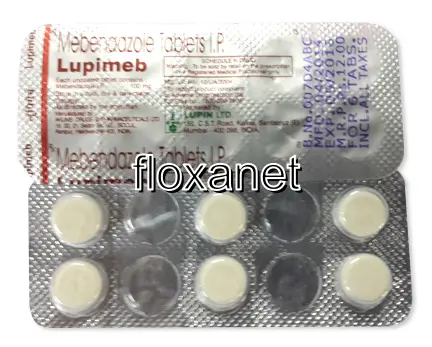
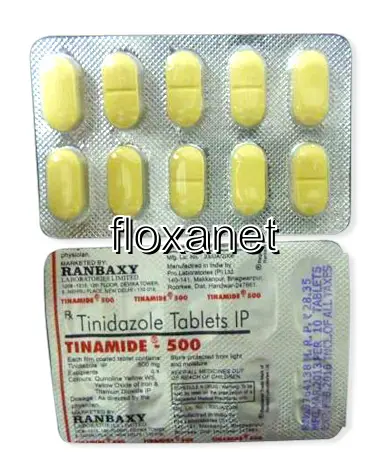
The medicines in this category belong to several pharmacological classes. Examples include benzimidazoles such as albendazole and mebendazole, which act against many intestinal worms; macrocyclic lactones such as ivermectin, used for certain systemic and skin‑affecting parasites; nitroimidazoles like tinidazole for some protozoal infections; and praziquantel for trematode and cestode infections. Topical agents, including permethrin formulations, are commonly used for scabies and lice. Products differ in spectrum of activity, dosing schedule and formulation.
How these medications are used varies with the infection. Some treatments are a single dose taken orally, while others require several days of therapy or repeat courses. Topical treatments often require application for a specified period and sometimes a second application after a week. In public health settings, certain antiparasitics are used in mass treatment campaigns to reduce community transmission. Clinical factors such as age, pregnancy status and coexisting conditions influence the selected regimen.
All antiparasitic medicines can cause side effects, the nature and frequency of which depend on the specific drug. Reported adverse effects range from mild gastrointestinal upset, headache or dizziness to skin reactions and, less commonly, more serious effects affecting the liver or nervous system. Drug interactions are possible when antiparasitics are taken with other medications, and some agents have specific safety considerations in groups such as pregnant people or young children. Product labels and regulatory information provide details about tolerability and warnings.
When choosing an antiparasitic product, users commonly consider the type of parasite to be treated, the route of administration (oral versus topical), treatment duration, safety profile for their age or health status, and whether a prescription is required. Availability of pediatric formulations, guidance on use during pregnancy, and whether a generic option exists can also influence selection. Clear information about indications, precautions and expected outcomes helps consumers understand what to expect from a given therapy.