📞  — free, 24/7
— free, 24/7 — free, 24/7Formulations and supplements for building and maintaining muscle, supporting recovery and training needs: protein powders, mass gainers, creatine, amino acids, pre-workout blends, recovery formulas, meal-replacement bars, electrolytes, joint support and sports vitamins for strength training.
Formulations and supplements for building and maintaining muscle, supporting recovery and training needs: protein powders, mass gainers, creatine, amino acids, pre-workout blends, recovery formulas, meal-replacement bars, electrolytes, joint support and sports vitamins for strength training.
Bodybuilding in a pharmacy context refers to medications and prescription therapies that influence muscle mass, body composition, recovery and hormonal balance. This category focuses on pharmaceutical agents rather than dietary supplements, equipment or general nutrition products. The products grouped here are intended to alter physiological pathways that affect strength, endurance and tissue repair, and they are distinct from over-the-counter vitamins or protein powders commonly associated with fitness.
People use these medications for varied reasons: correcting medically diagnosed hormone deficiencies, assisting recovery after injury, or as part of a regimen aimed at improving physique and performance. In nonmedical settings some agents are used during planned cycles to promote muscle growth or to control side effects that can arise when hormones are altered. Use patterns and objectives vary widely depending on individual circumstances, regulatory frameworks and prescribing practices in different countries.
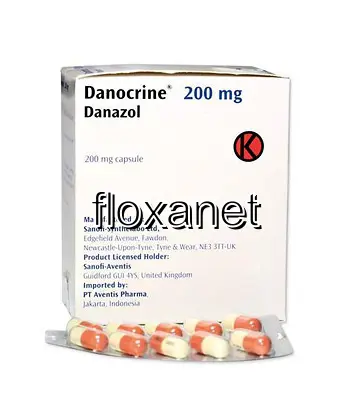
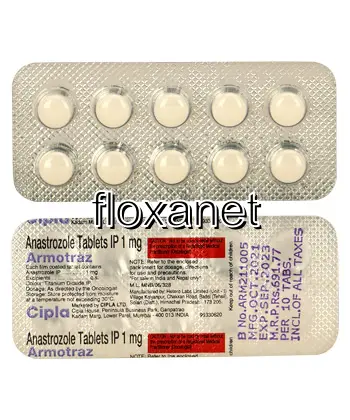
The category contains several types of medicines. Testosterone formulations include topical gels such as androgel and oral or injectable testosterone preparations used in hormone replacement. Selective estrogen receptor modulators and related agents such as nolvadex (tamoxifen), clomid (clomiphene) and serophene are commonly listed because of their role in influencing estrogenic effects and supporting hormonal recovery. Aromatase inhibitors such as arimidex (anastrozole) or armotraz reduce estrogen synthesis in certain contexts, while other agents like danocrine (danazol) have been used in niche indications that affect androgenic and estrogenic balance.
Formulations in this area come as gels, tablets and injectables, and each delivery method produces different absorption and onset characteristics. Some products are applied topically, others are taken orally or administered by injection, and choice of formulation influences convenience, monitoring needs and how quickly effects appear. Because many of these medicines interact with bodywide hormonal systems, their effects are systemic rather than localized, which is an important consideration when comparing options.
Safety considerations are a prominent part of this category because the medications directly affect hormones and metabolic processes. Potential adverse effects can include changes in cholesterol and cardiovascular risk factors, impacts on liver function, alterations to natural hormone production and potential effects on fertility. Drug interactions and contraindications may also occur. Many products listed in this category are regulated as prescription medicines in many jurisdictions and are associated with laboratory monitoring and clinical oversight when used for approved medical indications.
When consumers explore bodybuilding medicines they commonly look for information about active ingredients, dosage form, regulatory status and whether a product is prescription-only in their country. Other frequent considerations include documented effects, duration of action, known side effect profiles and any available clinical or safety data. Practical concerns such as storage requirements, dosing schedules and whether independent quality or purity testing is reported also influence choice, as do legal and sporting regulations that may restrict the use of certain substances in competitive settings.