📞  — free, 24/7
— free, 24/7 — free, 24/7Medications and supplies for gout management: treatments for acute attacks and pain relief (colchicine, NSAIDs), urate‑lowering therapies for long‑term control (allopurinol, febuxostat), and supportive products for swelling and joint care. Information on dosing and prescription status.
Medications and supplies for gout management: treatments for acute attacks and pain relief (colchicine, NSAIDs), urate‑lowering therapies for long‑term control (allopurinol, febuxostat), and supportive products for swelling and joint care. Information on dosing and prescription status.
This category covers medications used to treat gout, a condition associated with elevated levels of uric acid in the blood that can form crystals in joints and soft tissues. Medicines in this group are aimed at two main goals: relieving the intense pain and inflammation of acute attacks, and reducing uric acid over time to prevent future attacks and long-term joint damage. The therapies collected here reflect common clinical approaches to both immediate symptom control and chronic management of gout.
Many people use drugs from this category in two distinct ways: short courses for sudden flares and ongoing daily treatment to lower uric acid. During an acute episode, rapid-acting options are prioritized to reduce swelling and pain. For long-term care, a consistent medication taken daily can help bring uric acid to target levels and reduce the frequency of flares. The difference in purpose means that treatment choices, dosing patterns and monitoring needs vary substantially between immediate relief and maintenance therapy.
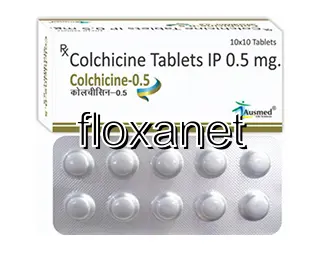
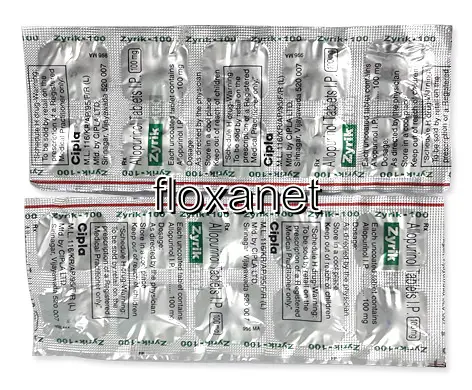
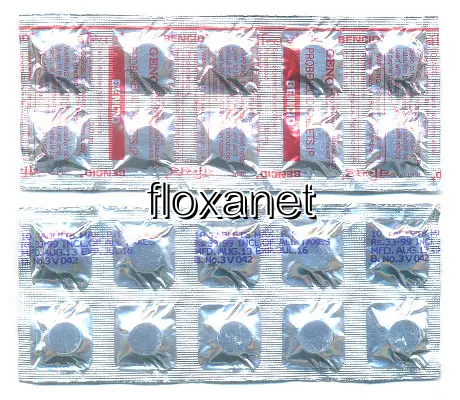
Medications included range from anti-inflammatory agents specific to gout to drugs that alter uric acid production or excretion. Colchicine is commonly used for flare treatment because of its ability to inhibit gout-related inflammation, while xanthine oxidase inhibitors such as allopurinol reduce the body’s production of uric acid and are used as long-term therapy. Uricosuric agents that increase uric acid excretion by the kidneys are another class, with medications historically known by names such as probenecid. Newer options and injectable therapies are available for resistant cases, but most patients are managed with the oral agents described above.
In practice, clinicians typically start with medications that match the immediate needs—fast-acting drugs for attacks and daily urate-lowering therapy for prevention—while considering individual factors such as kidney function, other medical conditions and potential drug interactions. Some treatments can initially provoke flares when uric acid levels begin to change, and clinicians often plan therapy to balance rapid control with a lower risk of recurrence. Regular testing of uric acid levels and periodic assessment of organ function are commonly part of long-term management strategies, reflecting the need to tailor therapy over time.
Safety considerations vary by medication class. Colchicine can cause gastrointestinal symptoms such as diarrhea and nausea, and dosing adjustments are important in people with impaired kidney function. Allopurinol and related xanthine oxidase inhibitors may rarely cause hypersensitivity reactions that can affect the skin or internal organs, and interactions with other medicines are an important factor in choosing a safe regimen. Uricosurics depend on adequate kidney function to be effective and can affect how other drugs are cleared from the body. Awareness of these profiles helps explain why different medicines are preferred for different patients.
When selecting a product from this category, users commonly evaluate how quickly relief is needed, whether the aim is short-term flare control or long-term urate lowering, and how the medication fits with existing health conditions and other treatments. Tolerability, dosing frequency and the need for lab monitoring are practical concerns that influence choices, along with availability in tablet or capsule form. Information about typical uses and side effect profiles found in this category can help people understand the broad options available for managing gout-related symptoms and prevention.