📞  — free, 24/7
— free, 24/7 — free, 24/7Thyroid medications and related products for managing thyroid disorders, covering hormone replacement therapies, antithyroid drugs, various dosage forms and compounding options, monitoring aids, and informational resources for hypothyroidism, hyperthyroidism and postoperative care
Thyroid medications and related products for managing thyroid disorders, covering hormone replacement therapies, antithyroid drugs, various dosage forms and compounding options, monitoring aids, and informational resources for hypothyroidism, hyperthyroidism and postoperative care
The Thyroid category covers medications that affect the activity of the thyroid gland, a small organ in the neck that produces hormones regulating metabolism, energy use, and many body systems. These products are intended to replace, supplement or modify natural thyroid hormones when the gland does not produce enough hormone or when precise adjustments to hormone levels are required. The medicines in this group are primarily systemic hormones rather than short-term symptomatic treatments, and they are prescribed to correct long‑term hormonal imbalances.
Common uses for thyroid medicines include replacing deficient hormones in underactive thyroid conditions, adjusting hormone levels after thyroid surgery or radioactive iodine therapy, and suppressing excess thyroid tissue activity in specific clinical situations. Some regimens aim to normalize everyday energy levels and metabolic rate, while others are part of longer-term plans to manage nodules or thyroid cancer. The clinical goal is typically steady, well‑controlled hormone levels rather than rapid symptom relief.
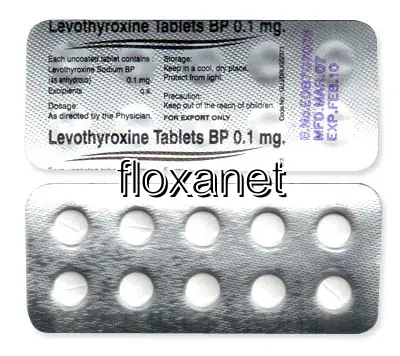
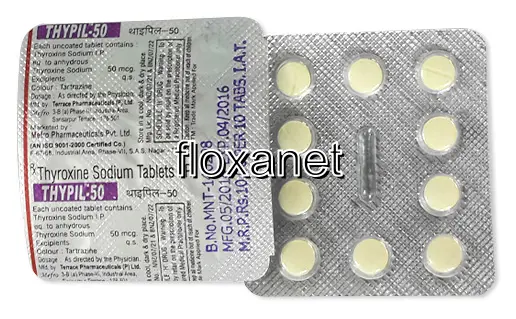
Medications in this category are generally grouped by the active hormone they provide. Levothyroxine is a synthetic form of the main circulating thyroid hormone (T4) and is widely used as the standard replacement therapy; it is available in many formulations and strengths and is marketed under various names. Liothyronine provides the more active form of thyroid hormone (T3) and is used when a faster or more potent effect is required in specific cases. Some products combine T4 and T3, and there are also natural desiccated thyroid extracts that contain a mixture of thyroid hormones. Formulations include tablets, capsules, liquid preparations and injectable forms for settings where oral dosing is not possible.
How these medicines are used in practice tends to be individualized. Dosing is typically tailored to a person's age, weight, medical history and lab test results, and adjustments are made over time to reach a stable therapeutic range. Many people take a single daily dose, often at a consistent time, and laboratory monitoring of thyroid‑stimulating hormone (TSH) and related values is commonly used to assess whether the dose achieves the intended effect. Because responses vary, treatment plans and monitoring schedules are determined by prescribers based on clinical and laboratory information.
Safety considerations center on getting the dose right and maintaining consistent use. Overreplacement can produce symptoms of excess thyroid hormone such as rapid heartbeat or nervousness, while underreplacement can leave symptoms of low hormone activity. Certain supplements and medications can interfere with absorption of oral thyroid preparations, and timing relative to food and other pills can influence effectiveness. Side effects and interactions differ among preparations, and some formulations require careful storage and handling.
When people shop for thyroid medicines, common priorities include the specific active ingredient and strength prescribed, the formulation that fits their routine (tablet versus liquid), and whether a generic or brand formulation offers suitable consistency for ongoing use. Reliability of supply, clarity of labeling, information about formulation and inactive ingredients, and the availability of different dose increments for fine titration are typical concerns. Many users also look for clear dispensing practices, stable packaging, and options that match the monitoring plan established with their healthcare provider.