📞  — free, 24/7
— free, 24/7 — free, 24/7Urinary health products for support, prevention, diagnosis and symptom relief of bladder and urinary tract issues. Includes UTI treatments (OTC and prescription), urinary pain relievers, cranberry and D‑mannose supplements, probiotics, test strips, catheters and incontinence supplies.
Urinary health products for support, prevention, diagnosis and symptom relief of bladder and urinary tract issues. Includes UTI treatments (OTC and prescription), urinary pain relievers, cranberry and D‑mannose supplements, probiotics, test strips, catheters and incontinence supplies.
Medications in the Urinary Health category address a range of conditions affecting the bladder, urethra and lower urinary tract. These products are intended to modify bladder contractions, relax or tighten smooth muscle in the urinary tract, reduce urinary urgency and frequency, or improve urine flow related to enlarged prostate. The group spans both short‑acting and extended‑release preparations and includes oral tablets, transdermal patches and other formulations designed to target urinary function.
Common use cases involve symptoms such as urinary urgency, leakage or incontinence, frequent daytime urination and nighttime waking to urinate. Some medicines are prescribed when the bladder is overactive and causes sudden urges and involuntary leakage, while others target difficulty starting urination, weak stream or incomplete emptying that may be associated with prostate enlargement. Certain drugs are also used to relieve bladder spasms following surgery or in neurologic conditions that affect pelvic control.
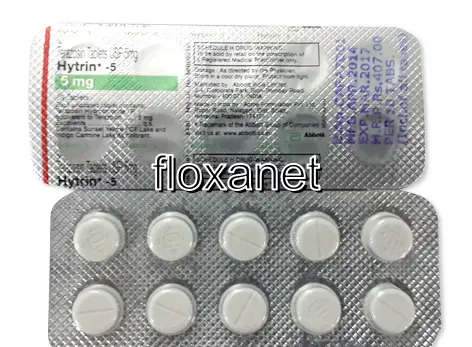
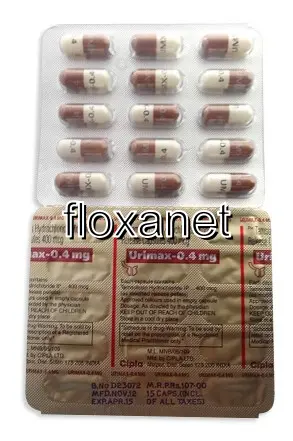
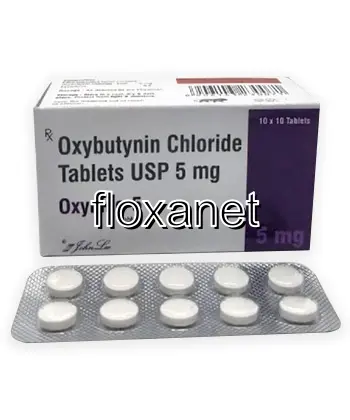
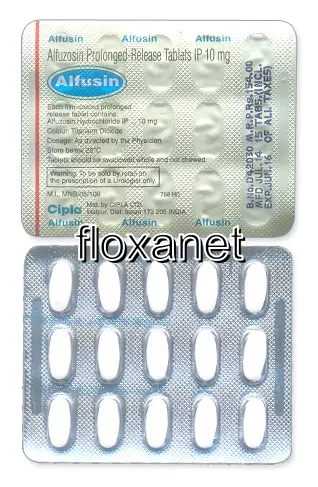
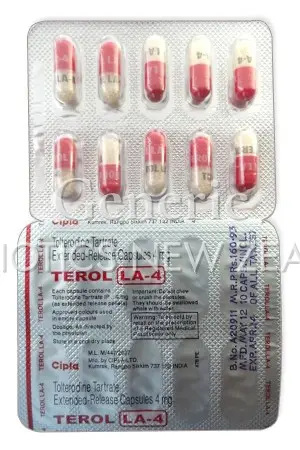
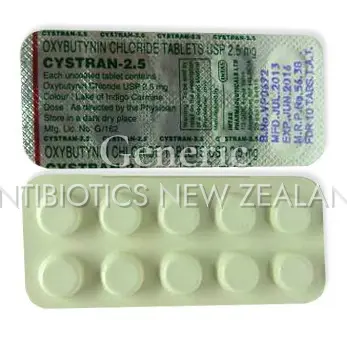
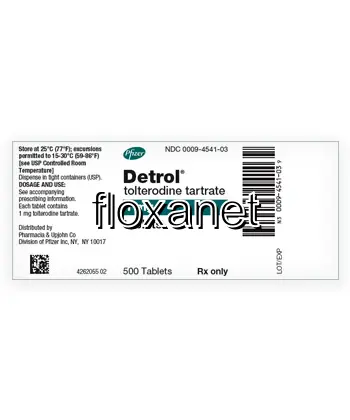
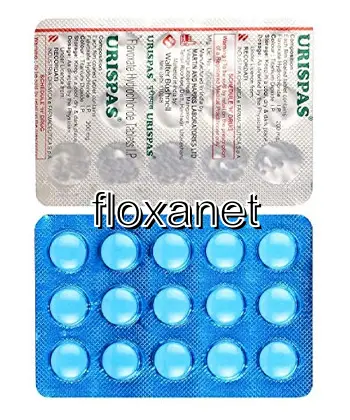
Different pharmacological classes are represented in this category. Antimuscarinic agents counteract excessive bladder contractions and include agents like oxybutynin (available as immediate‑release forms such as Ditropan and as transdermal patches like Oxytrol), tolterodine (trade name Detrol and its extended‑release form Detrol LA) and solifenacin (Vesicare). Beta‑3 agonists provide an alternative mechanism for relaxing the bladder. Alpha‑1 blockers act on muscles in the prostate and bladder neck to improve urinary flow; examples commonly referenced are tamsulosin (Flomax), alfuzosin (Uroxatral) and terazosin (Hytrin or Minipress). Antispasmodics marketed for urinary cramping, such as Urispas, are also part of the spectrum.
Medications for urinary conditions differ in onset of action, duration and side effect profiles. Typical antimuscarinic effects may include dry mouth, constipation and blurred vision, while alpha‑blockers can be associated with dizziness or a drop in blood pressure in some individuals. Extended‑release or transdermal formulations aim to provide steadier drug levels and may be chosen to reduce certain side effects. Interactions with other drugs and the presence of other medical conditions can influence both choice and tolerability, which contributes to variation in how these agents are used across populations.
When people compare options they often look at how well a medicine targets their main symptom (urgency versus obstructive symptoms), dosing convenience (once‑daily versus multiple doses), formulation (patch versus tablet), and tolerability. Long‑acting versions such as Detrol LA are frequently considered for sustained symptom control, while patches like Oxytrol appeal to those seeking non‑oral delivery. For prostate‑related symptoms, agents like Flomax or Uroxatral are commonly referenced for their specific action on urinary flow.
Use patterns vary from short courses to ongoing therapy, depending on the underlying condition and symptom persistence. Some individuals use a single agent, while others may be managed with sequential trials of different medicines or combinations chosen to balance symptom relief and side effects. Information on active ingredients, release characteristics and typical effects helps consumers recognize why one product may be selected over another when managing urinary health concerns.